

1 kg bærbar tørrpulver brannslukningsapparat
Cat:DCP/skum/vannbrannslukningsapparat
Det bærbare tørre pulverbrannslukningsapparatet er en sikkerhetsapparat som brukes til å legge ut små branner i nødsituasjoner. Det ytre skallet er...
Se detaljer
+86 13857576559
Den direct answer is that an Gasssylinder i aluminium generally performs more consistently in extreme temperature conditions than composite cylinders in terms of structural stability , especially in high-temperature environments, but composite cylinders may outperform aluminum in thermal insulation and weight efficiency under certain low-temperature or specialized conditions.
While both cylinder types are engineered for industrial gas storage, aluminum alloys maintain their mechanical integrity across a wider temperature range, typically from -40°C to around 120°C depending on alloy grade. Composite cylinders, however, often begin to show resin matrix sensitivity above 80–100°C, which can affect long-term durability.
The primary advantage of an Gasssylinder i aluminium in extreme heat conditions is its metallic uniformity. Aluminum alloys do not rely on polymer matrices, which means they do not experience resin softening or degradation under moderate heat exposure. This makes them suitable for environments such as industrial welding sites or outdoor storage in hot climates where temperatures may exceed 50°C.
In contrast, composite cylinders are constructed using fiber-reinforced polymers. While this design provides excellent strength-to-weight ratio, the resin component can gradually lose stiffness when exposed to sustained high temperatures. For example, at approximately 90°C, some composite cylinders may experience up to a 10–15% reduction in structural rigidity depending on resin formulation.
The aluminium co2 sylinder variant is commonly used in beverage and industrial gas systems because CO2 storage requires consistent pressure stability. Aluminum's thermal conductivity helps distribute heat evenly, reducing localized stress points.
In extremely cold environments, such as -40°C or lower, Gasssylinder i aluminiums retain ductility better than many traditional steel alloys and avoid the brittleness issues associated with some composite resins. This ensures safer handling during transportation and filling operations in cold storage facilities or arctic logistics.
Composite cylinders also perform well in cold conditions, often maintaining integrity down to -50°C. However, repeated thermal cycling between freezing and room temperature may cause micro-cracking in the resin layers over long service periods. Aluminiumssylindre, derimot, viser mer forutsigbar tretthetsoppførsel under lignende sykkelforhold.
For industries requiring repeated exposure to freezing environments, such as cryogenic gas handling or outdoor winter deployment, aluminum remains a more conservative and reliable material choice.
Temperature fluctuations directly affect internal gas pressure. For every 1°C increase in temperature, internal pressure of compressed gas can increase by approximately 0.3% depending on gas type. Derfor er sylindermaterialets stabilitet kritisk.
An Gasssylinder i aluminium maintains consistent dimensional stability, ensuring minimal deformation under thermal expansion. Aluminum’s coefficient of thermal expansion (~23 x 10⁻⁶ /°C) is predictable and uniform, reducing the risk of unpredictable stress concentration.
Composite cylinders have lower thermal expansion in fiber directions but uneven expansion between fiber and resin layers. This anisotropic behavior can create internal stress under rapid heating or cooling cycles, especially in high-pressure applications exceeding 200 bar.
| Eiendom | Gasssylinder i aluminium | Composite Cylinder |
|---|---|---|
| Høy temperatur motstand | Stabil opp til ~120°C | Reduced stiffness above 80–100°C |
| Low Temperature Performance | Excellent ductility down to -40°C | Good, but resin fatigue risk over cycles |
| Thermal Expansion Behavior | Ensartet og forutsigbar | Anisotropic and layered response |
| Durability in Cycling Temperatures | Høy tretthetsmotstand | Moderate to high, dependent on resin |
Sikkerhetsytelse er kritisk ved evaluering av gassflasker. Aluminum cylinders offer predictable failure modes, typically involving gradual deformation rather than sudden rupture under extreme thermal stress.
Komposittsylindere er designet med bruddbestandig fiberarkitektur, ofte i stand til å motstå høyere sprengningstrykk. Imidlertid kan deres oppførsel under ekstrem varmeeksponering variere avhengig av harpiksaldring og produksjonskvalitet.
In industrial systems using aluminium co2 sylinder setups, pressure relief mechanisms are often more straightforward due to consistent material response, which improves predictability in emergency conditions.
In real-world applications, Aluminum Gas Cylinders are widely used in welding, beverage carbonation, laboratory gas storage, and portable industrial systems. Deres termiske stabilitet sikrer pålitelig ytelse i både varme og kalde miljøer uten betydelig rekalibrering av trykksystemer.
Composite cylinders are often preferred in aerospace and portable applications where weight reduction is critical, even if it means accepting more sensitivity to temperature extremes.
The Aluminum Gas Cylinder remains the more stable and predictable option in extreme temperature conditions, particularly where safety, durability, and consistent pressure behavior are prioritized. Komposittsylindre utmerker seg i vektreduksjon og spesialiserte applikasjoner, men krever mer forsiktig håndtering i miljøer med høy varme.
For de fleste industrielle brukere som håndterer varierende eller tøffe miljøforhold, er aluminiumbaserte løsninger, inkludert aluminium co2 sylinder , fortsett å gi en balansert og pålitelig ytelsesprofil.
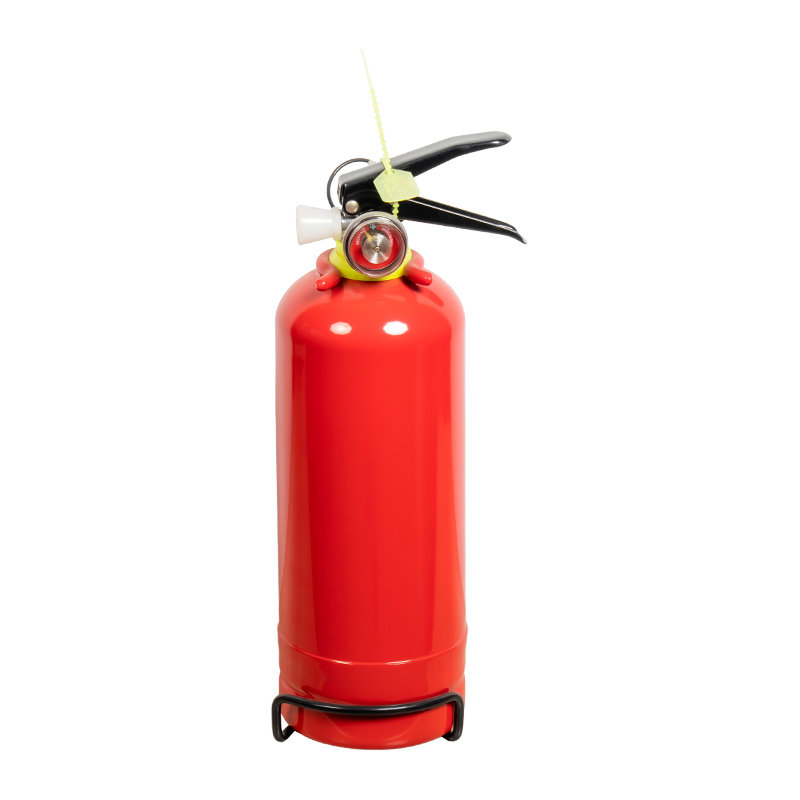
Det bærbare tørre pulverbrannslukningsapparatet er en sikkerhetsapparat som brukes til å legge ut små branner i nødsituasjoner. Det ytre skallet er...
Se detaljer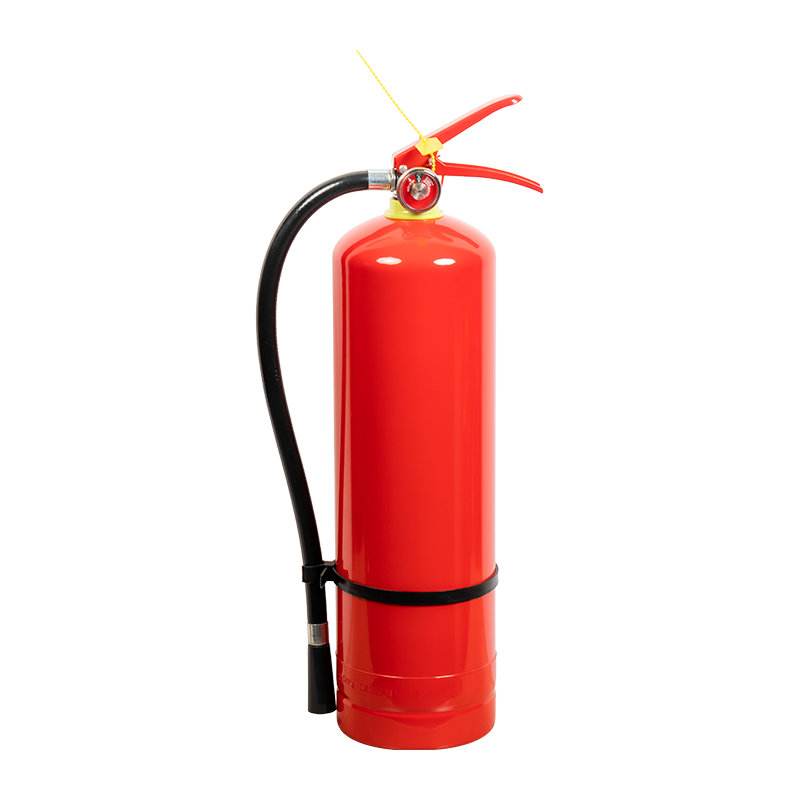
6 kg rustfritt stål bærbar tørrpulverbrannslukningsapparat er en brannslukende enhet som er egnet for å slukke forskjellige små branner. Likringsmi...
Se detaljer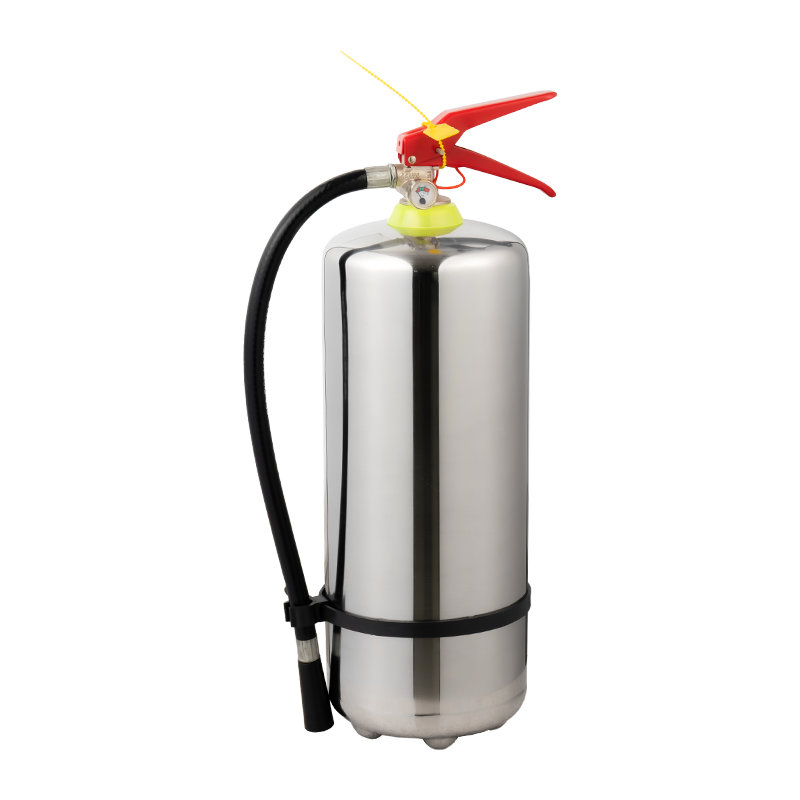
304 Rustfritt stål 6L brannslukningsapparat er et profesjonelt designet brannslukkende utstyr, laget av høykvalitets SUS304 rustfritt stålmateriale...
Se detaljer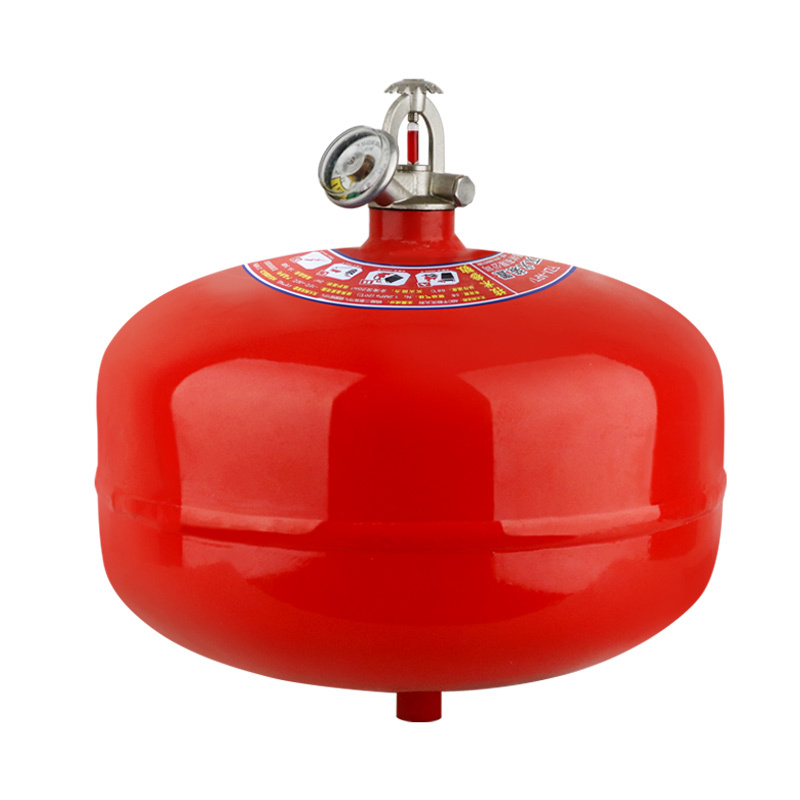
8 kg hengende brannslukningsapparat kan installeres på veggen eller taket, festet med krok eller brakett, noe som gjør det enkelt å raskt få tilgan...
Se detaljer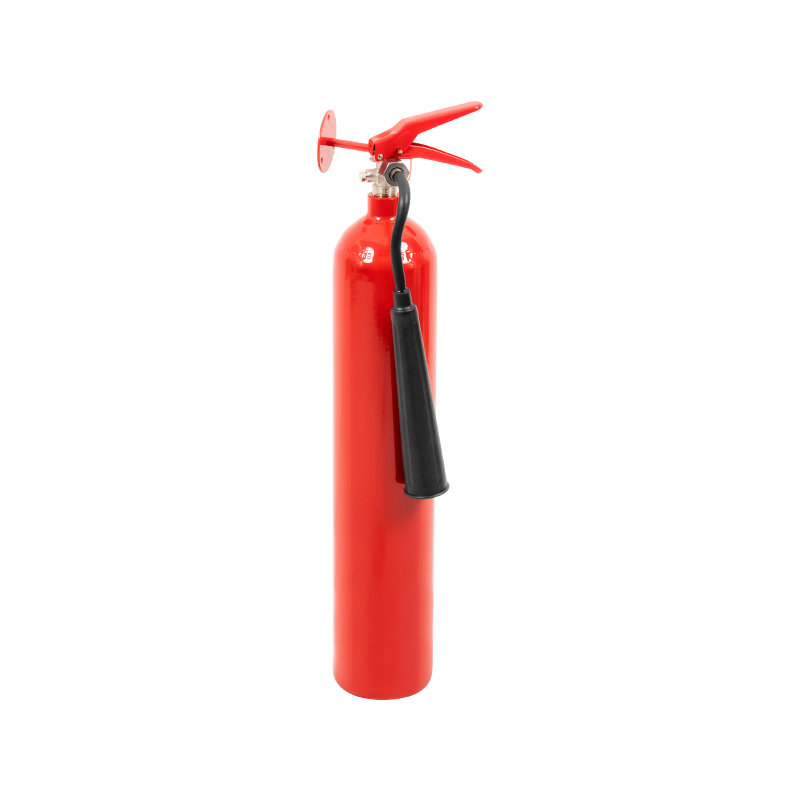
3 kg bærbart stålbrannslukningsapparat er en brannslukningsenhet designet for å håndtere alle typer branner. Laget av CK45 stål, er det solid og ho...
Se detaljer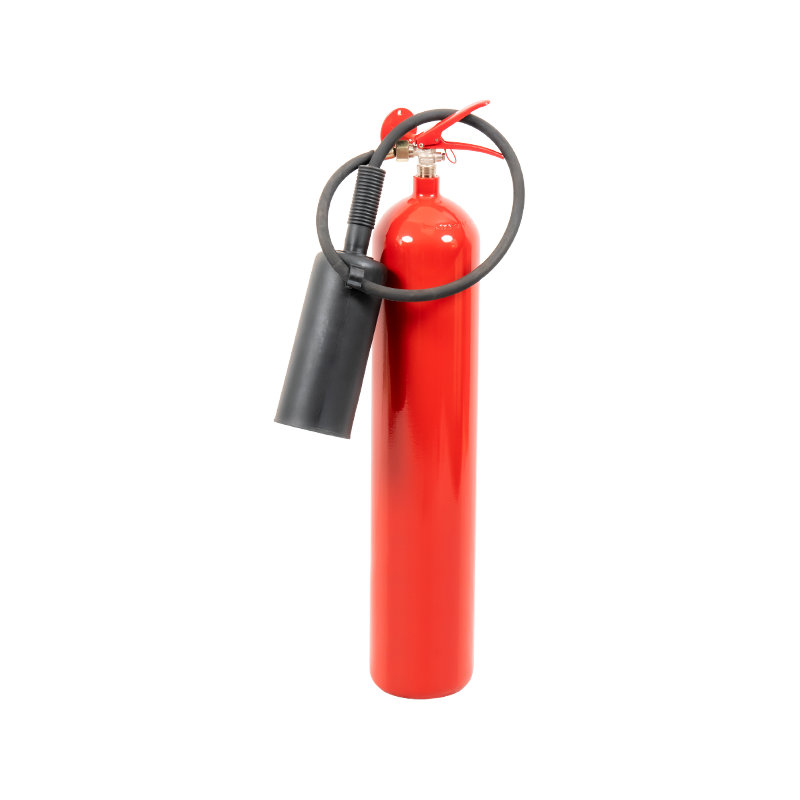
5kg brannslukking av karbondioksidbrannslukningsapparat kan fungere i et bredt temperaturområde, fra -30˚C til 60˚C, for å imøtekomme brannslukking...
Se detaljer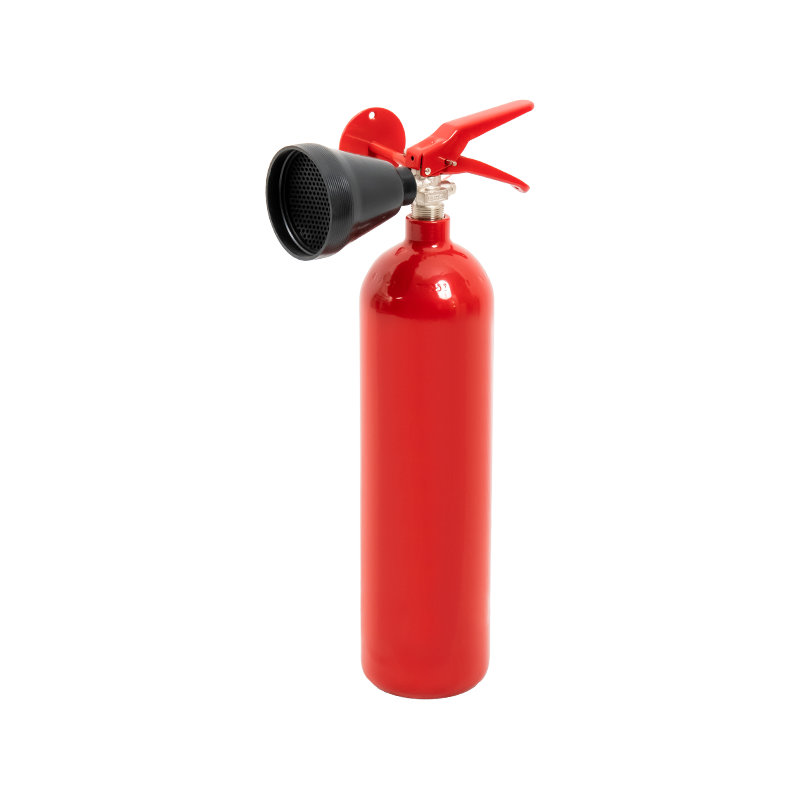
Den 2kg bærbare CE -brannslukningsapparatet er en brannslukningsapparat designet for rask respons og slukking av små branner. Det er laget av høy s...
Se detaljer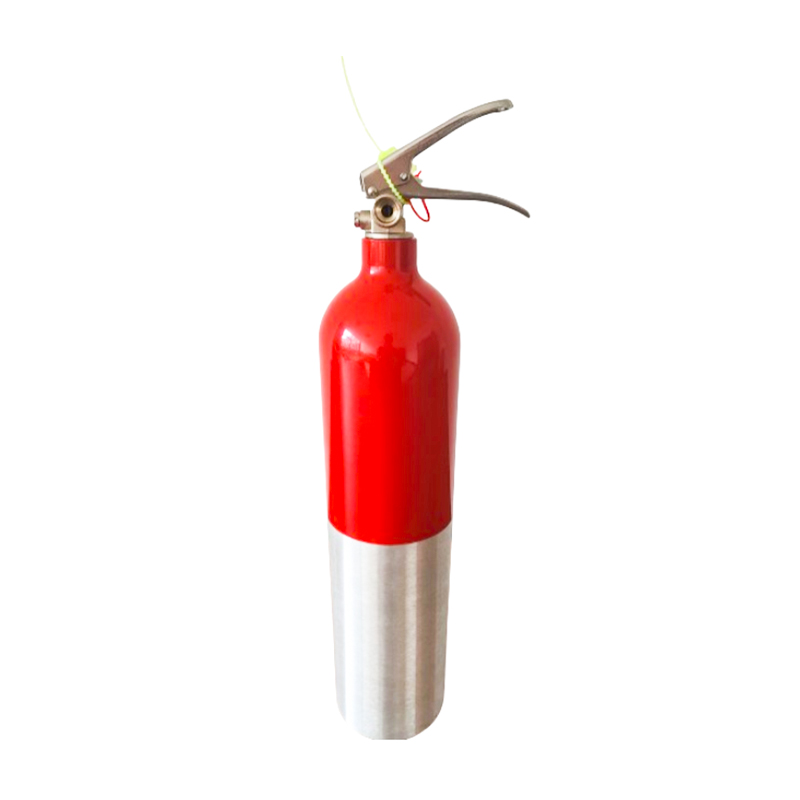
Det bærbare aluminiumsbrannsapparatet på 5 kg er et effektivt og pålitelig brannslukningsutstyr som er egnet for brannbeskyttelsesbehov på forskjel...
Se detaljer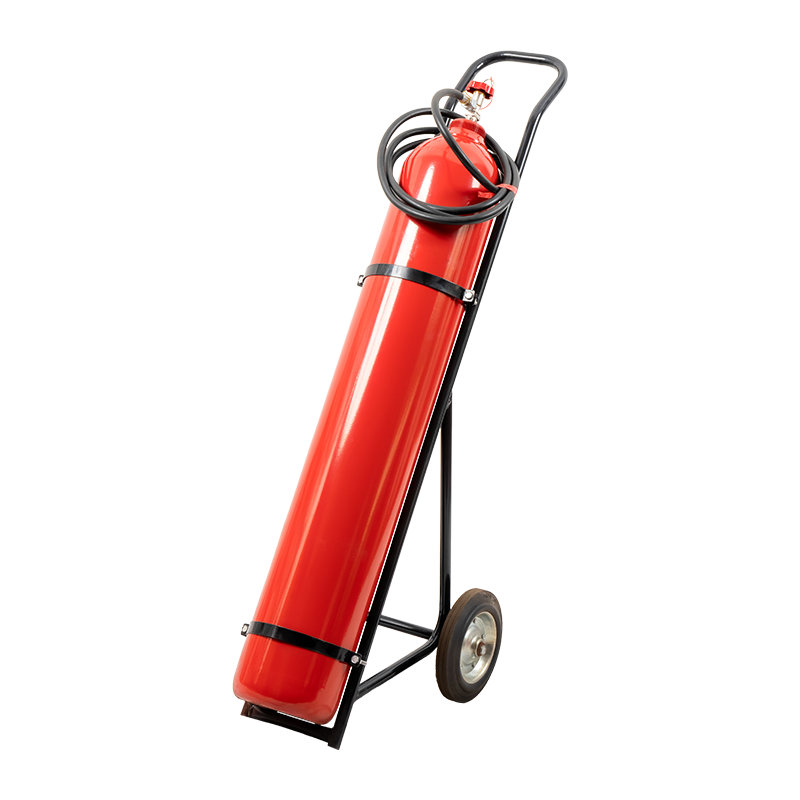
Den 10 kg stålvognmonterte CO2-brannslukningsapparatet er et bærbart brannslokkingsverktøy som består av en stor stålsylinder med en kapasitet på 1...
Se detaljer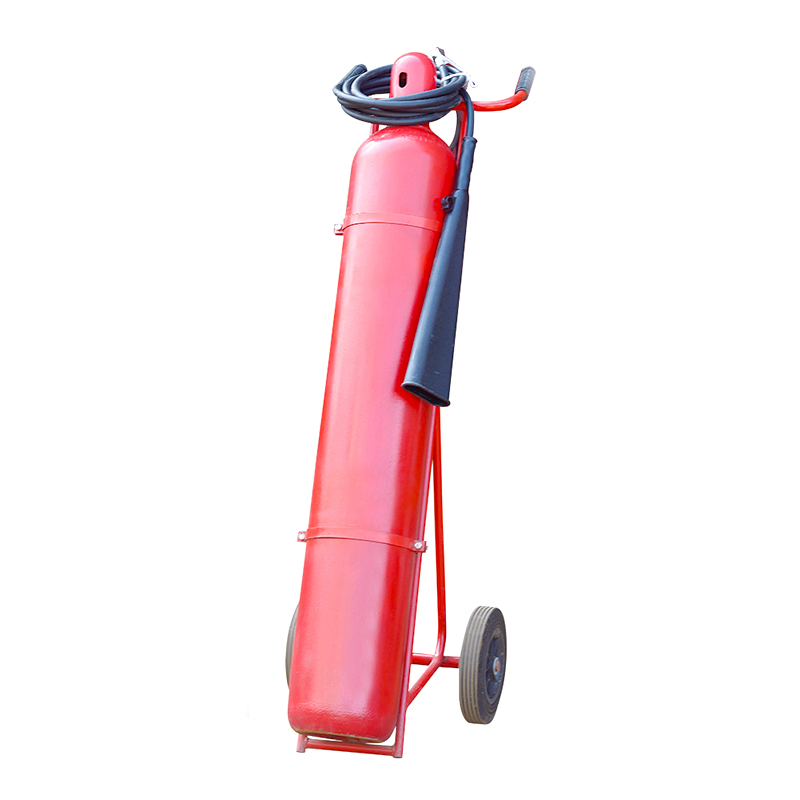
25kg tralle-mobile brannslukningsapparat er et brannkamp med høy kapasitet designet for storskala branner. Den har mekanisk styrke og korrosjonsmot...
Se detaljer
Zhejiang Yongshang Pressure Vessel Co., Ltd. ble etablert i 2016. Det er et moderne foretak som integrerer FoU, produksjon og salg, som spesialiserer seg på produksjon av tørt pulver, vogner, karbondioksidbrannslukningsapparater, sømløse stålsylindere og aluminiumsflasker.

+86 13857576559


Zhuhai Village, Gaibei Town, Shangyu District, Shaoxing City, Zhejiang Province, Kina
Copyright © Zhejiang Yongshang Pressure Vessel Co., Ltd.
